As international trade expands and Kazakhstan strengthens its transit potential, improving customs administration is becoming increasingly important. One of the priorities is to enhance the effectiveness of customs controls while simplifying procedures for compliant traders. Developing the risk management system plays a key role in this effort, enabling customs authorities to focus controls on transactions that may pose risks and reduce unwarranted inspections.
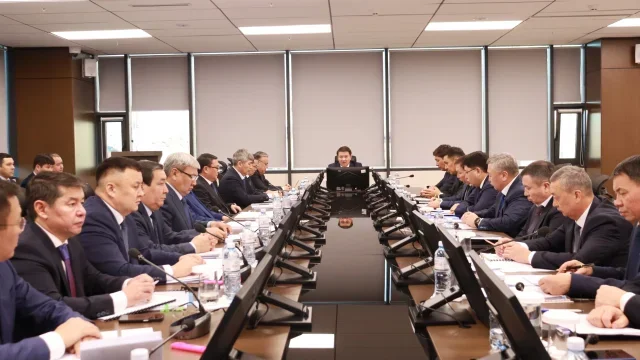
As part of ongoing efforts in this area,from 2 to 4 November, a three-day practical training on theapplication of best practices in customs risk management was held at the Training Methodical Centerof the State Revenue Committee of the Ministry of Finance of theRepublic of Kazakhstan. The training was organized as part of theReady4Trade Central Asia: The Path to Prosperity through the Trans-CaspianTransport Corridor project, funded by the European Union (EU) and implemented by theInternational Trade Centre (ITC).
The training focused on the use of modern technologies, including artificial intelligence and machine learning, to improve the accuracy of customs risk identification. These tools offer new opportunities for data analysis and support more informed decisions on the need for customs controls.
During the workshop, participants reviewed international experience in applying modern risk management methods at various stages of customs administration. Particular attention was given to the use of advance information on goods and means of transport, which enables potential risks to be identified before cargo arrives, thereby helping to expedite customs procedures.
Alongside their review of international practices, participants explored opportunities to apply artificial intelligence and machine learning in the day-to-day work of customs authorities. International experts demonstrated approaches to data analysis, while practical exercises enabled participants to consolidate their knowledge and consider how to apply it when assessing customs risks.
Developing these approaches is particularly relevant for Kazakhstan, given the country’s growing role in international transport and logistics routes. Modern risk analysis methods help reduce the time required to complete customs procedures, increase the transparency of controls and create a more predictable business environment.
Thetrainingmarked another step towards developing the professional competencies of customs officers and strengthening international cooperation in customs administration. The knowledge gained will contribute to further improving the risk management system, simplifying trade procedures and enhancing transport efficiency along the Trans-Caspian Transport Corridor.
Follow memleket.kz on social media
Important news from Kazakhstan and useful articles on the platform you prefer.