A Meeting on the Draft of the New Constitution of the Republic of Kazakhstan Was Held in the Almaty Region
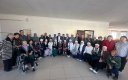
A meeting dedicated to discussing the draft of the new Constitution of the Republic of Kazakhstan was held in the Almaty Region with the participation of maslikhat deputies, members of the Public Council, and chairpersons of city and district maslikhats.
The meeting was opened by Chairman of the Almaty Regional Maslikhat K. S. Baigodzhayev, who noted that the purpose of the meeting was to familiarize participants with the proposed new version of the Constitution and explain its key provisions.
The draft of the new Constitution is aimed at modernizing the public administration system, strengthening the role of state institutions, and improving mechanisms for protecting the rights and freedoms of citizens. The proposed constitutional reforms will enable the country to move to a new stage of development and will serve as a foundation for strengthening trust between the government and society.
During the meeting, reports were delivered by Chairman of the Regional Public Council Kazbek Nursseituly Dautaliyev and member of the Regional Public Council Erbolat Saparuly Turymbetov, who highlighted the importance of the changes outlined in the draft Constitution. They noted that the new version places special emphasis on the development of civil society institutions, strengthening public oversight, and expanding citizens’ participation in decision-making processes.
It was also emphasized that the key principles of the constitutional reform initiated by the Head of State are openness, justice, and responsibility. Particular attention was paid to the fact that the new version of the Constitution will be adopted through a nationwide referendum, giving every citizen the opportunity to participate in making an important decision concerning the future of the country.
Following the meeting, participants were recommended to intensify information and awareness-raising activities on the draft Constitution, hold direct meetings with residents, and organize open discussions in labor collectives and public forums.